

SPECIFIC HELP
Everyone's wellbeing journey is different, and sometimes you're not just looking for general support, you're dealing with something specific. Below are some of the areas I work with most often, drawing on my training and lived experience to offer practical, personalised support. Whatever you're facing, we'll work together to find an approach that genuinely fits you.
ANXIETY, STRESS, AND LOW MOOD
Anxiety, stress and low mood can affect every part of daily life, from sleep and energy, to concentration, relationships and how you feel in your own body. Having experienced the toll of a high-pressure career myself, I understand how overwhelming this can feel, and how difficult it can be to know where to start. I also appreciate how difficult it can be to juggle work and other responsibilities, as life gets busier, particularly in midlife.
I draw on a blend of evidence-based tools, including yoga, breathwork, mindfulness and coaching, to help you find what works for you. This might mean using movement and breath to calm your nervous system, mindfulness practices to quieten a busy mind, or coaching to help you understand what's driving your stress and build practical strategies to manage it. Sessions are tailored entirely to you, there's no single fix that works for everyone, so we'll work together to find the right combination of approaches for your situation.
Whether you're dealing with everyday stress, ongoing anxiety, or simply don't feel like yourself anymore, my aim is to help you feel calmer, more resilient, and more in control, at a pace that feels manageable.
WEIGHT LOSS
Weight can be one of the most frustrating things to manage, especially when motivation dips, life gets busy, or your body changes with age in ways that feel outside your control. Sustainable change isn't about quick fixes or restrictive diets, it's about building habits that genuinely fit your life, so progress feels achievable rather than overwhelming.
As an exercise physiologist, I design realistic, evidence-based exercise programmes that support healthy weight management alongside your broader health and wellbeing, so your plan works with your lifestyle rather than against it. Alongside movement, I can help you look at how stress, sleep and mindset affect your relationship with food and your body, since these are often just as important as exercise itself. Coaching can also help you identify what's really getting in the way of progress, whether that's motivation, routine, or long-standing habits, and build a realistic plan to work through it.
Whether you're hoping to lose weight, maintain a healthy weight, or simply feel stronger and more confident in your body, I'll work with you to find an approach that's sustainable, realistic, and tailored entirely to you.
BURNOUT
Burnout can leave you feeling exhausted, disconnected and running on empty, even when you're still trying to keep going. It often builds gradually, through ongoing pressure, overwork or simply giving more than you have to give, until rest alone doesn't feel like it's enough to recover. Having experienced burnout myself, I understand both how it feels and how disorienting it can be to know where to start in recovering from it.
I've completed specific training in burnout and chronic fatigue, as well as somatic yoga, a gentle, body-based approach that helps release stored tension and supports the nervous system to properly rest and recover, rather than just managing symptoms on the surface. Alongside this, breathwork and mindfulness can help calm an overactive nervous system, while coaching can support you in understanding what led to burnout and making sustainable changes, so recovery lasts rather than becoming a temporary fix before the cycle repeats.
Recovering from burnout takes time, and there's no quick fix, but with the right support, it is possible to rebuild your energy, reconnect with your body, and feel like yourself again.
PERIMENOPAUSE AND MENOPAUSE
Perimenopause and menopause can bring a wide range of physical and emotional changes, from hot flushes, disrupted sleep and low energy, to anxiety, low mood and changes in your body that can feel unfamiliar or frustrating. For many women, this stage of life coincides with other pressures too, work, family, caring responsibilities, making it an especially demanding time to navigate.
I've completed specific training in yoga for menopause, alongside my broader experience in exercise physiology, breathwork and mindfulness, to offer practical, evidence-based support through this transition. Yoga and breathwork can help ease symptoms such as hot flushes, poor sleep and anxiety, while also supporting strength, bone health and flexibility, all particularly important during and after menopause. Alongside this, I can help you build an exercise programme that supports your changing body, and use mindfulness and coaching to support your mental and emotional wellbeing through this stage of life.
Menopause looks different for everyone, so support should too. Whatever symptoms you're experiencing, my aim is to help you feel stronger, calmer and more like yourself, at every stage of this transition.
SPORTS PERFORMANCE
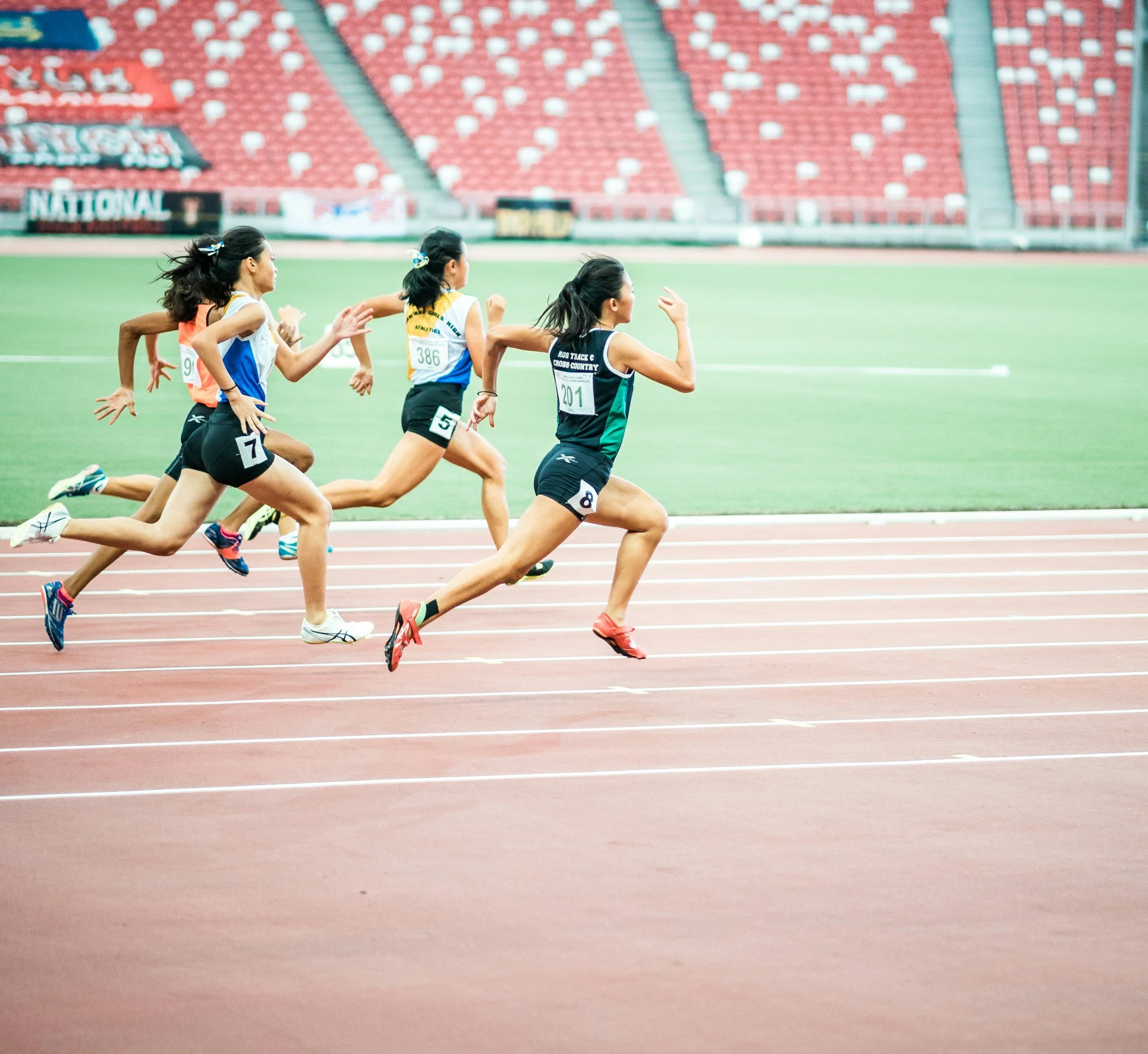
Whether you're a competitive athlete or simply enjoy sport regularly, how you train off the pitch, court or track can make a real difference to how you perform and feel on it. I can help people across a range of sports to build strength, resilience and awareness in the body, supporting both performance and longevity in the sport you love.
Using a blend of personal training, exercise physiology and yoga, I can help you strengthen weaker areas, improve flexibility, balance and posture, and reduce the risk of injury, so your body can keep up with the demands you place on it. Yoga and breathwork can also support the mental side of performance, helping to reduce performance anxiety, sharpen concentration, and build the kind of body awareness that supports better movement and technique. Coaching can help too, particularly if motivation or consistency is getting in the way of your progress.
Whatever your sport, my aim is to help you train smarter, move better, and perform at your best, while protecting your body for the long term.
SOBRIETY
For years I used alcohol for socialising and winding down. I had noticed how alcohol triggered increased anxiety; however, when perimenopause began, the anxiety increased significantly. It took time to understand what was happening, but I learned how to navigate social situations, celebrations and simply relaxing in the evening without reaching for a drink. I noticed my mind felt sharper, I felt less sluggish at weekends, my skin became clearer and I saved money.
My experience has taught me that stepping back from alcohol isn't about restriction or missing out, it's about learning new ways to feel good, connect with others, and unwind, ones that don't leave you feeling worse the next day. I can help you explore this for yourself, whether you're cutting back, taking a break, or stopping drinking altogether, using movement, breathwork, mindfulness and coaching to support you through the process and build new habits and routines that genuinely work for your life.
If you're navigating a changing relationship with alcohol, whether linked to perimenopause, general wellbeing, or simply wanting to feel better, you don't have to figure it out alone. I understand both the challenge and what's possible on the other side of it.
SLEEP PROBLEMS
Poor sleep can affect almost every part of life, leaving you feeling exhausted, low on patience, and less able to cope with everyday stress, which can in turn make sleep even harder to come by. Whether you're struggling to fall asleep, waking frequently, or simply not feeling rested, it's a cycle that can feel difficult to break on your own.
I've completed specific training in yoga for insomnia, alongside breathwork and mindfulness, to help calm an overactive mind and support your body into a more natural rhythm of rest. Gentle, restorative yoga and breathing techniques can help release physical tension and settle the nervous system before bed, while mindfulness can help quieten racing thoughts that often keep sleep out of reach. Where helpful, we can also look at daily habits and routines that may be affecting your sleep, alongside building these practices into your week.
Better sleep rarely happens overnight, but with the right tools and support, it is possible to break the cycle and start waking up feeling more rested.